
Эволюция Взглядов на Проституцию в Китае: От Древности до Современности
Проституция — это явление, которое на протяжении веков вызывало острые споры и дискуссии. В Китае, одной из древнейших цивилизаций, отношение…
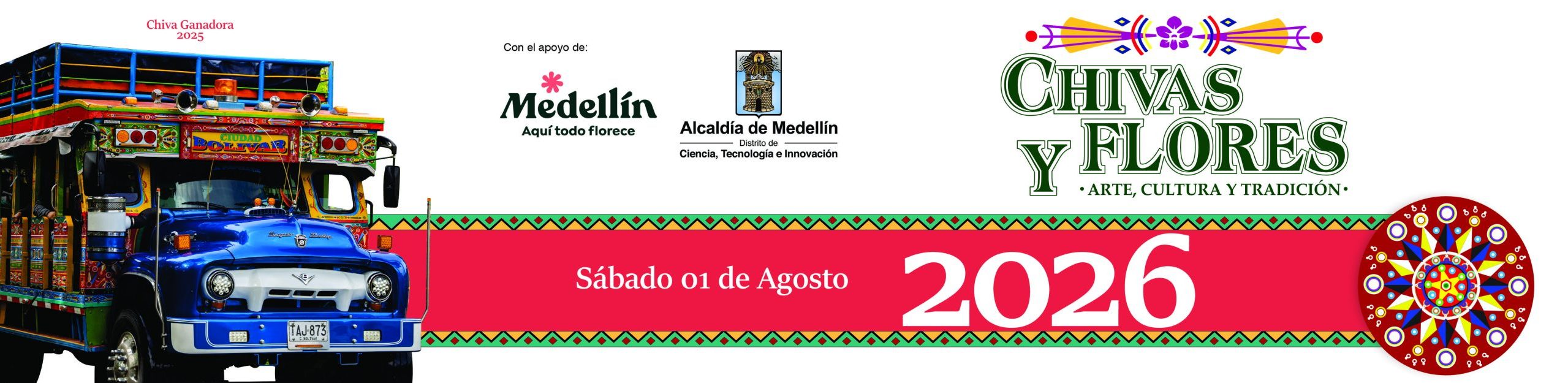
El Desfile de Chivas y Flores es uno de los eventos culturales más auténticos e importantes de la Feria de las Flores. Durante 25 años hemos recorrido los lugares más emblemáticos de la ciudad, llevando alegría, tradición y color a cientos de miles de personas que salen a las calles a celebrar lo que somos. Mas de 40 chivas representativas de los municipios de la región, carrozas, carros valla, bandas marciales y vehículos icónicos del transporte colombiano hacen de este desfile una vitrina única donde las marcas no solo se ven, se viven. Un evento familiar con un mensaje claro: Arte, Cultura, Tradición, sano esparcimiento, identidad y orgullo colombiano.
 Desfile2025 - En
The allure of simple yet potentially lucrative games has always captivated players, and plinko gambling stands as a prime example. This game, often described as a vertical pinball machine, has experienced a significant surge in popularity, particularly within the online casino sphere. While appearing straightforward – drop a chip, hope for the best – the game’s underlying principles of probability, risk, and reward offer a surprisingly engaging experience. This article delves into the mechanics of plinko, strategies players employ, and the factors influencing potential winnings, offering a comprehensive overview for both newcomers and seasoned enthusiasts.
At its core, plinko is a game of chance. However, understanding the physics at play and the potential payouts can empower players to make informed decisions. The game’s board features a pyramid-like structure adorned with numerous pegs. A puck is dropped from the top, bouncing randomly as it descends through the pegs, ultimately landing in one of the prize slots at the bottom. The location of the slot determines the payout, with central slots generally offering higher rewards, albeit with lower probabilities.
The fundamental design of a plinko board dictates the gameplay experience. The number of pegs, their arrangement, and the value assigned to each slot at the bottom all contribute to the game’s volatility. A board with more pegs generally leads to more unpredictable results, while fewer pegs might offer a slightly greater degree of control, though that control is still largely illusory. The placement of high-value slots is also crucial. A board might concentrate high payouts in the center, incentivizing players to attempt landing their pucks there, or distribute them more evenly, offering a broader range of potential outcomes.
| Number of Pegs | Higher number = increased randomness; Lower number = slightly more predictability |
| Peg Arrangement | Influences the angle and direction of the puck’s descent |
| Slot Values | Determines the potential payout for each landing position |
| Payout Distribution | Affects overall volatility and player strategy |
While fundamentally a game of chance, some players attempt to employ strategies to sway the odds, or at least to manage their risk more effectively. These strategies aren’t about guaranteeing a win, but rather about optimizing potential returns. One common approach is to vary the amount wagered based on board configuration. If a board features a high concentration of low-value slots, players might opt for smaller wagers to minimize potential losses. Conversely, if the board offers a few high-value slots, they might increase their stakes. Another strategy involves observing past results, though it’s crucial to remember that each drop is independent and prior outcomes don’t influence future ones.
The illusion of control is a significant factor in plinko. Players often look for patterns or biases in the peg arrangement, believing they can anticipate where the puck will land. However, the chaotic nature of the bouncing process makes accurate prediction virtually impossible. Nevertheless, experimenting with different wagering amounts and observing the board’s behavior can provide a more engaging experience. Responsible bankroll management is also paramount; setting a budget and sticking to it is crucial to avoid chasing losses.
The appeal of plinko extends beyond the potential for monetary gains. The simple gameplay and visual spectacle create a captivating experience, and the element of chance taps into the thrill of gambling. A player’s risk tolerance significantly impacts their approach to the game. Those seeking high-risk, high-reward scenarios might gravitate towards boards with large potential payouts, accepting the higher probability of losses. More conservative players will likely favor boards with smaller, more frequent wins. Understanding one’s own risk appetite is crucial for maintaining an enjoyable and sustainable plinko experience.
Effective bankroll management is paramount in any form of gambling, and plinko is no exception. A common mistake is chasing losses – continually increasing wagers in an attempt to recover previous losses. This often leads to even greater financial setbacks. Instead, players should set a predetermined budget for their plinko session and stick to it, regardless of whether they are winning or losing. Another helpful strategy is setting win limits. Once a player reaches a predetermined profit target, they should stop playing and cash out their winnings. This prevents them from giving back their profits due to continued play and potentially unfavorable outcomes.
Understanding the payout structure and Return to Player (RTP) percentage is vital for evaluating the potential profitability of a plinko game. The RTP represents the percentage of total wagers that are returned to players over the long term. A higher RTP indicates a more favorable game for the player. However, it’s important to note that RTP is a theoretical value calculated over an extended period, and individual results will vary considerably. Different plinko games can have significantly different RTPs. Some games might offer an RTP of 95%, meaning that, on average, players will receive $95 back for every $100 wagered, while others might have a lower RTP, such as 90%.
Plinko’s enduring appeal has led to innovations in gameplay and increased accessibility through online platforms. Modern online versions often feature enhanced graphics, customizable payout structures, and even bonus features. Some platforms incorporate provably fair technology, utilizing cryptographic algorithms to ensure transparency and fairness in each game. This reassures players that the game’s outcome is not manipulated and is truly random. The rise of cryptocurrency casinos has also contributed to plinko’s popularity, offering players added privacy and security. Moving forward, we can expect continued innovation in plinko’s design and integration with emerging technologies, such as virtual reality and augmented reality.
Ultimately, the charm of plinko lies in its simplicity and the element of pure chance. While strategy can play a role in managing risk and optimizing potential returns, it’s crucial to approach the game with realistic expectations. A balanced approach, combining responsible bankroll management with a healthy dose of enjoyment, will ensure a rewarding and entertaining experience.