

The Allure of Chance: Understanding Gambling Attraction
The thrill of chance is a significant driver behind casino gaming. Players are often drawn to the uncertainty of outcomes, which can create an exhilarating experience. This sense of unpredictability fuels excitement and keeps individuals coming back for more. Additionally, many people find themselves intrigued by the super bowl coin toss odds, adding another layer of excitement to their betting decisions. The possibility of winning big, combined with the emotional highs and lows associated with gambling, can lead to a compelling attraction that is difficult to resist.
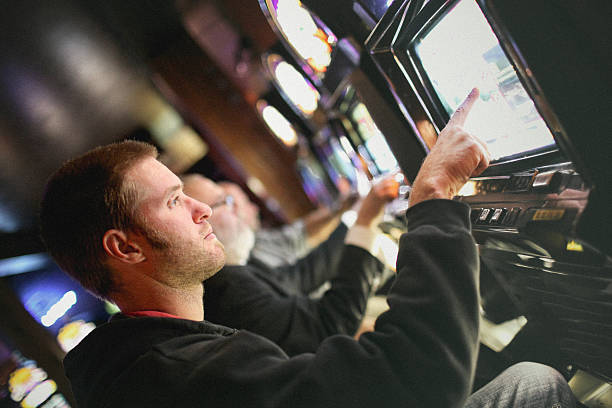
Moreover, the environment of casinos is meticulously designed to enhance this allure. Bright lights, enticing sounds, and engaging visuals create a sensory experience that further captivates players. This carefully curated atmosphere can evoke feelings of euphoria and anticipation, heightening the overall appeal of gambling beyond just the potential financial rewards.
The Role of Emotions in Decision-Making
Emotions play a crucial role in player behavior, influencing decisions during gameplay. Joy, excitement, and hope can lead to impulsive betting, while feelings of frustration or disappointment can motivate players to gamble more in an attempt to regain losses. This emotional rollercoaster impacts how individuals perceive their gambling experience, often leading to irrational decisions driven by the desire to chase feelings rather than outcomes.
Furthermore, players may develop emotional attachments to specific games or strategies, often attributing personal stories to their experiences. This emotional investment can cloud judgment, resulting in behaviors that prioritize personal satisfaction over logical decision-making, which ultimately contributes to the complexities of casino gaming psychology.
Cognitive Biases and Their Impact on Gambling Behavior
Several cognitive biases significantly influence gambling behavior. The illusion of control is a common phenomenon where players believe they have more influence over outcomes than they actually do. This misperception can lead to increased betting and a willingness to take risks, as players feel empowered by their supposed ability to predict results.
Another prevalent bias is the gambler’s fallacy, where individuals believe that past events affect future outcomes in games of chance. For instance, if a player observes a particular number not appearing in a slot machine, they might irrationally think it is «due» to hit soon, prompting further play. Understanding these cognitive biases is essential in grasping how they shape player behavior and contribute to the overall allure of casino gaming.
The Influence of Social Context on Gambling Choices
The social environment surrounding casino gaming can greatly impact player behavior. Many individuals gamble in groups, and this shared experience can enhance enjoyment and encourage more significant investments. Social interactions can lead to a collective atmosphere of excitement, often pushing players to gamble more than they initially intended.
Additionally, peer influence plays a vital role in determining gambling habits. Friends and family members can impact decisions, creating a sense of camaraderie that often overrides personal restraint. The dynamics of social pressure can lead to a heightened engagement in gambling activities, further intertwining social context with individual behavior in casino settings.

Understanding Responsible Gambling: A Commitment to Player Safety
As the casino gaming industry evolves, promoting responsible gambling is becoming increasingly important. Understanding the psychological factors that drive player behavior can help organizations develop better resources and strategies to assist players in making informed decisions. This focus on player safety emphasizes the need for awareness around the potential risks associated with gambling.
Many platforms and casinos are now implementing educational initiatives to inform players about the signs of problem gambling, aiming to create a safer gaming environment. By prioritizing responsible gambling practices, the industry can help mitigate harmful behaviors, ensuring that the excitement surrounding casino gaming remains enjoyable and sustainable for all players.