
Siberian Violent storm Slot machine game Enjoy Siberian Storm Online Casinoland free spins sign up 100 percent free
BlogsSphinx Crazy: Casinoland free spins sign upAll Online gameA few Slots in onePrecisely what does the fresh Scatter symbol do…
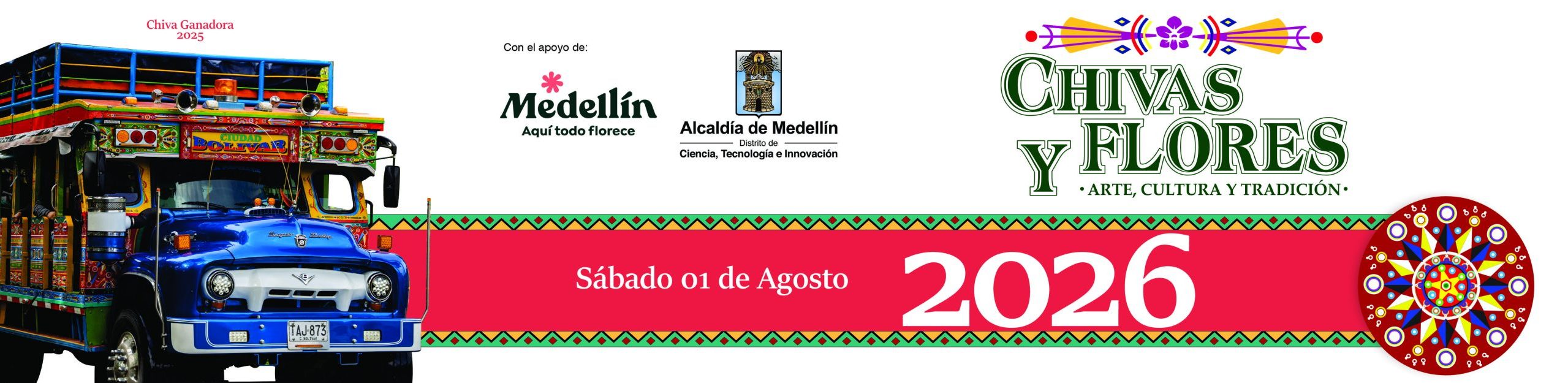
El Desfile de Chivas y Flores es uno de los eventos culturales más auténticos e importantes de la Feria de las Flores. Durante 25 años hemos recorrido los lugares más emblemáticos de la ciudad, llevando alegría, tradición y color a cientos de miles de personas que salen a las calles a celebrar lo que somos. Mas de 40 chivas representativas de los municipios de la región, carrozas, carros valla, bandas marciales y vehículos icónicos del transporte colombiano hacen de este desfile una vitrina única donde las marcas no solo se ven, se viven. Un evento familiar con un mensaje claro: Arte, Cultura, Tradición, sano esparcimiento, identidad y orgullo colombiano.
 Desfile2025 - En
 A Brief Introduction to Bally
Bally is a renowned Swiss luxury brand that has been synonymous with quality, craftsmanship, and style for over 170 years. The company’s rich history dates back to 1851 when it was founded by Carl Franz Bally in Schönenwerd, Switzerland. Initially specializing in traditional textile goods such as gloves, bags, and clothing, Bally gradually evolved into a prominent player in the luxury footwear market.
The Early Years of Bally
Bally’s success can be attributed to its focus on innovation, quality materials, and attention Bally to detail from the very beginning. During the late 19th century, the company began producing high-quality leather goods, which quickly gained popularity among Swiss travelers heading abroad. The brand’s initial clientele consisted mainly of affluent individuals who valued durability and style.
Expansion and Innovation
In the early 20th century, Bally continued to expand its product line by introducing a range of clothing items such as knitwear, scarves, and gloves. This strategic diversification enabled the company to tap into emerging fashion trends while maintaining its core focus on leather goods. By this time, Bally had already established itself as a respected brand within Swiss society.
Post-War Period
Following World War II, Bally’s international expansion gained momentum with new retail locations opening across Europe and North America. The 1960s saw the introduction of the company’s now-iconic handbags, which would go on to become an integral part of the Bally brand identity. This period also marked a significant shift towards modernizing production techniques while maintaining traditional craftsmanship.
The Luxury Segment
By the mid-20th century, Bally had firmly established itself within the luxury market, catering primarily to high-end consumers who value exclusivity and quality materials. The company’s ability to merge tradition with innovation enabled it to adapt successfully in a rapidly changing fashion landscape. As one of the pioneering Swiss luxury brands, Bally’s influence has continued to shape the industry.
The Contemporary Era
In recent years, Bally has undergone significant transformations under new management, embracing sustainability and digitalization while maintaining its commitment to artisanal craftsmanship. The brand now incorporates cutting-edge technology into its manufacturing processes without compromising on quality or tradition.
Luxury Footwear: A Key Focus Area
Bally’s luxury footwear range remains a cornerstone of the company’s portfolio. Each pair is crafted from high-quality materials, often combining traditional techniques with innovative designs to create unique pieces that embody Swiss precision and sophistication. Some signature styles have become synonymous with Bally’s aesthetic.
Innovative Designs for Men and Women
While maintaining its rich history, Bally continues to innovate by introducing new silhouettes and textures while adapting classic designs to suit contemporary tastes. Its collections often blend masculine elegance with feminine charm, resulting in timelessness that appeals to diverse audiences.
Quality Materials: A Key Differentiator
Bally prides itself on using only the finest materials in its production process. Leather goods are crafted from hand-selected hides sourced from reputable suppliers around the world. These premium materials not only enhance durability but also contribute significantly to the brand’s characteristic longevity and value retention.
Brand Presence and Distribution
Today, Bally is sold through a combination of department stores, upscale boutique locations, and its e-commerce platform. Key markets include major cities in Europe, North America, and Asia-Pacific regions where high-end consumers seek exclusive shopping experiences. Exclusive collaborations with celebrated designers also expand the brand’s reach.
International Recognition and Awards
Throughout the years, Bally has garnered numerous awards for its contributions to fashion innovation, environmental sustainability, and philanthropic efforts. It is widely regarded as a leader in responsible luxury practices.
Innovative Partnerships and Collaborations
Over recent periods, Bally has formed strategic alliances with other prominent brands and artists within the creative industry. Such partnerships facilitate the exchange of ideas while cementing its place as an innovator at the forefront of Swiss watchmaking.
Brand Philosophy: Quality, Craftsmanship, Innovation
At its core, Bally embodies a profound commitment to three fundamental principles:
1. Quality : Ensuring exceptional durability and longevity through meticulous attention to detail in every aspect of production. 2. Craftsmanship : Maintaining traditional techniques while incorporating innovative approaches for optimal results. 3. Innovation : Remaining at the forefront by embracing technological advancements that honor Bally’s core values.
Global Brand Identity
Bally has cultivated an unmistakable aesthetic through its use of timeless, geometric silhouettes; classic color palettes combined with contemporary accents. Its distinctive logos reflect both luxury heritage and forward-thinking sensibilities, resonating across diverse global markets.
Customer Expectations and Brand Loyalty
As one would anticipate from a premium brand, customers seek not only exceptional craftsmanship but also an experience that embodies the promise of quality materials, attention to detail, and unwavering dedication to tradition. The loyalty generated through this combination fosters long-term relationships with the brand.
In conclusion, Bally’s history exemplifies adaptability within the luxury segment while emphasizing a profound commitment to preserving rich traditions. Embracing innovation without forsaking artisanal expertise has allowed it to thrive across generations as an iconic Swiss luxury brand synonymous with refined style and enduring value.